
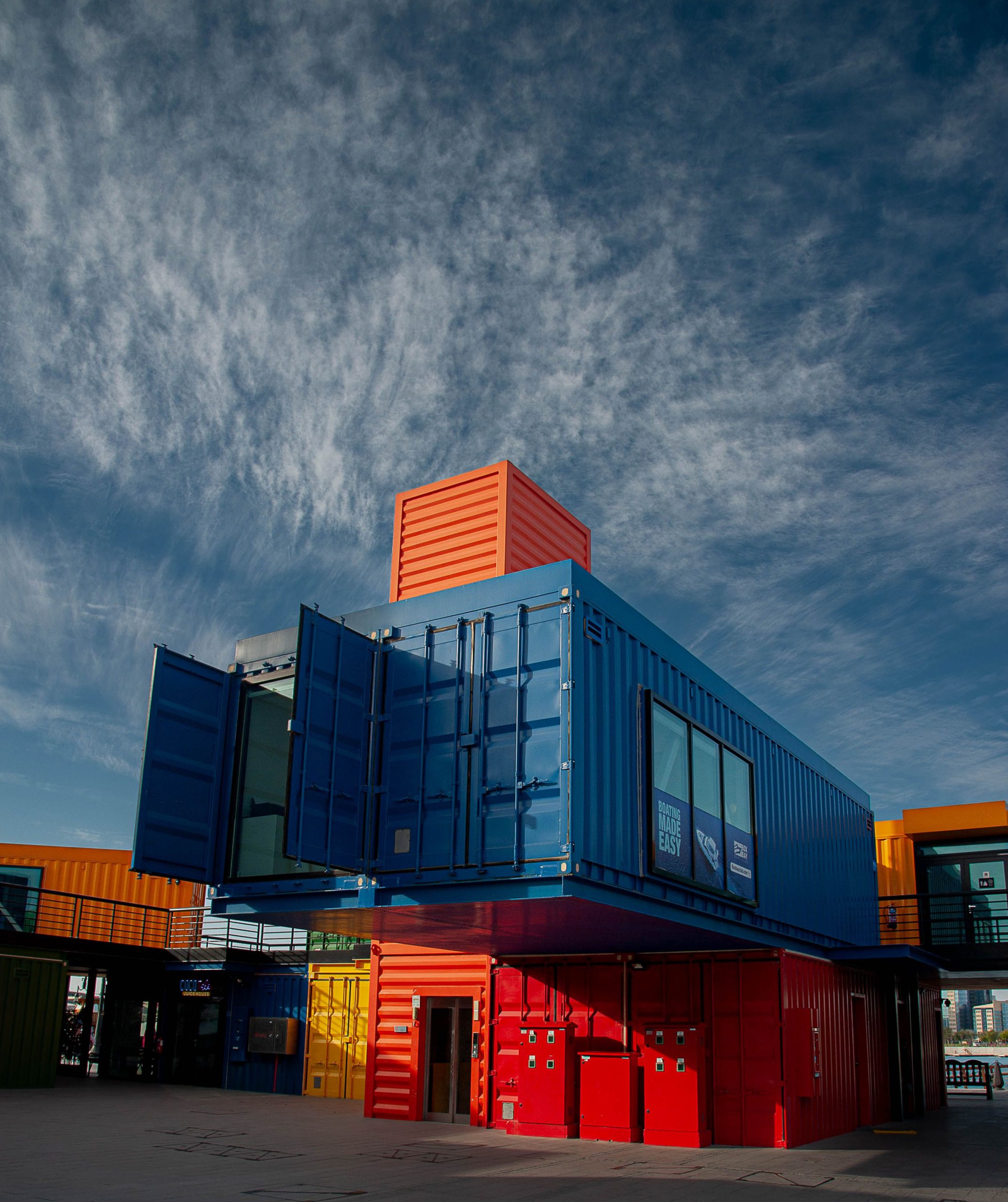
As cities continue to grow, modular construction in urban areas is becoming an increasingly effective approach to delivering projects faster, more efficiently, and with less disruption. By combining off-site manufacturing with efficient on-site assembly, modular construction can help improve quality, safety, resource efficiency, and project delivery.
What Is Modular Construction?
Modular construction is a building method in which individual building components or complete sections of a structure are manufactured in a controlled off-site environment before being transported to the project location and assembled.
Depending on the project, modules may include structural elements, walls, floors, ceilings, mechanical and electrical services, bathroom pods, or complete room-sized units.
Unlike conventional construction, where most activities take place sequentially on-site, modular construction allows different stages of a project to progress simultaneously. While foundations and site preparation are underway, modules can be manufactured and prepared off-site.
This parallel approach can significantly improve overall project efficiency.
Why Modular Construction Is Increasingly Relevant to Urban Development
Urban construction projects often take place in challenging environments. Limited site space, surrounding buildings, traffic restrictions, pedestrian movement, noise regulations, and complex logistics can all affect project execution.
Modular construction addresses several of these challenges by reducing the amount of work required directly on-site.
Recent research has identified faster construction, improved quality, enhanced safety, reduced waste, and greater sustainability as some of the key advantages of modular construction.
For rapidly developing urban centres, these advantages can make modular approaches an increasingly valuable part of modern construction strategies.
1. Faster Project Delivery
One of the main advantages of modular construction is improved project speed. While site preparation and foundations are underway, modules can be manufactured at the same time.
This parallel process can help shorten construction schedules and support faster project delivery.
2. Improved Site Safety
Manufacturing in a controlled environment allows greater control over materials, measurements, and workmanship. Standardised production processes can also help maintain consistent quality and reduce rework.
3. Enhanced Safety
With more construction activities carried out off-site, there can be fewer workers and activities within congested construction areas. Controlled manufacturing environments can also support safer and more organised working conditions.
4. Reduced Construction Waste
Modular construction allows project teams can plan and use materials more precisely. Better material control can reduce waste and support more sustainable construction practices.
5. Less Disruption in Urban Areas
Construction projects in busy cities often operate close to roads, businesses, residential buildings, and public spaces.
By reducing the amount of work carried out directly on-site, modular construction can help minimise noise, dust, traffic movements, and other disruptions to surrounding areas.
6. Greater Efficiency
The combination of standardised components, digital planning, BIM, and off-site manufacturing can improve coordination between design, production, transportation, and installation.
This can create a more streamlined construction process from planning through to completion.
Modular Construction in Dubai
As Dubai continues to experience rapid urban development, modular construction in urban areas offers an opportunity to improve construction efficiency while reducing the impact of building activities on busy surroundings.
Building Smarter for the Future
Modular construction in urban areas represents a practical step toward more efficient and sustainable construction. With benefits such as faster delivery, improved quality, enhanced safety, and reduced waste, modular methods can support the changing needs of modern cities.
At Afaq Engineering, we believe successful construction requires the right combination of engineering expertise, technology, planning, and project management.
The future of construction is not just about building faster — it’s about building smarter.